AI Study Tools
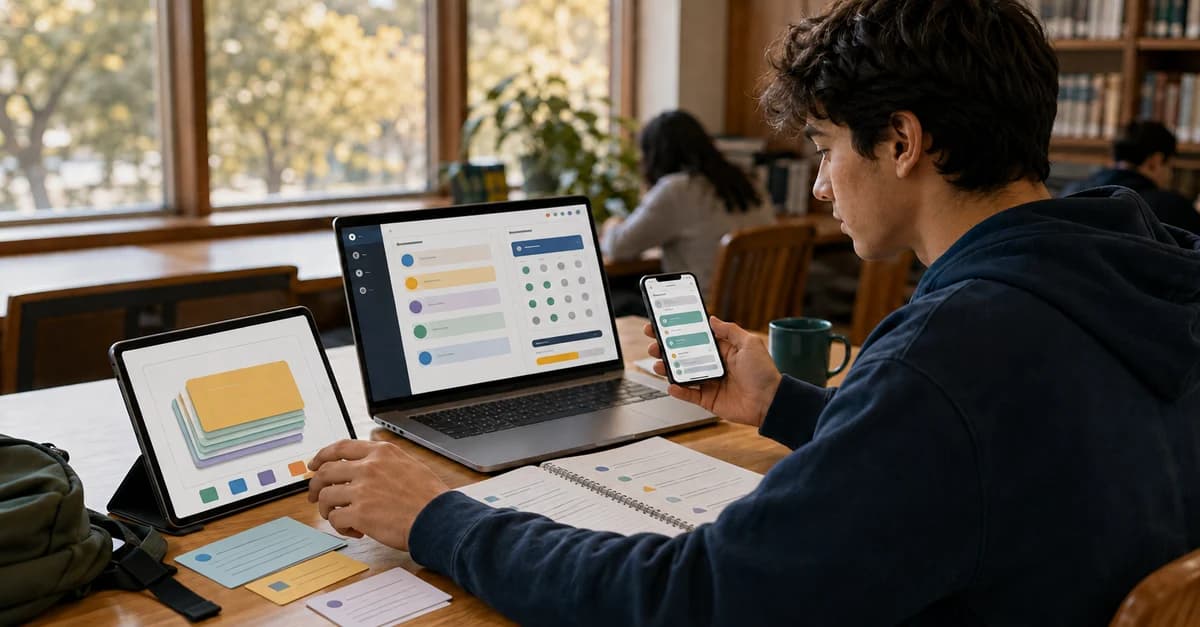
Best AI-Powered Study Apps for Students in 2026
Seven AI-powered study apps for students, scored on the same five criteria: yearly price, your own material, exam-board context, practice types and free tier.
20 min read•
Read guide
Revision and learning guides
Practical guides to learning science and AI-powered education. Designed for students who want clearer revision.
Start here
Three starting points for exam planning, revision methods, and AI study-tool comparisons.
Evidence-informed guidance with honest limits: active recall, spaced repetition, past papers, and flashcards.
Seven AI-powered study apps for students, scored on the same five criteria: yearly price, your own material, exam-board context, practice types and free tier.

A practical 4-week GCSE revision plan using active recall, past papers, flashcards, and weekly review, without grade guarantees.

A practical student guide to active recall, spaced practice, interleaving, and mistake review, with honest limits and no grade guarantees.
All articles
Search the library or filter by topic.

Use a six-point student rubric to check AI-generated practice questions for accuracy, exam alignment, difficulty, clarity and distractor quality.
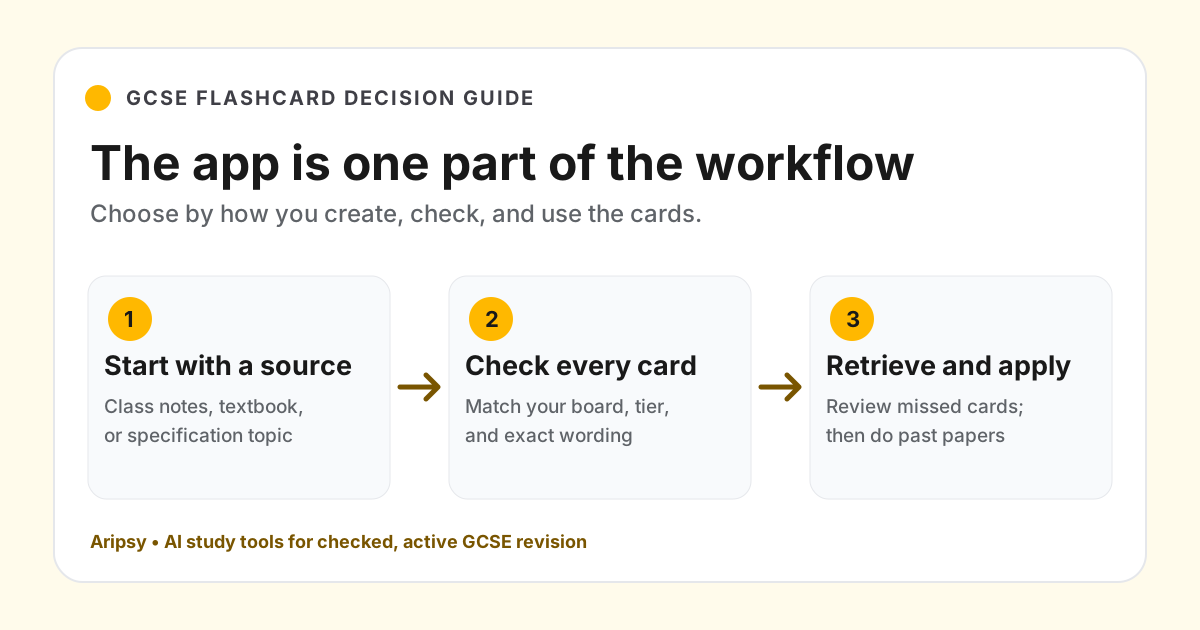
Seven AI flashcard apps for GCSE revision, scored on five criteria: yearly price, your own material, exam-board context, practice types and free tier.

Seven PDF-to-practice-question tools scored on yearly price, your own material, exam-board context, practice types and free tier, with a checking workflow.

Build an SAT study plan around your weakest skills using Bluebook diagnostics, targeted practice, error review and realistic weekly scheduling.

Turn an exam mistake log into targeted practice questions. Diagnose each error, create the right follow-up task, verify it, and schedule a retest.
Build a study plan from your syllabus and exam date with backward planning, active recall, spaced repetition, and a realistic revision timetable.

Find your weakest exam topics fast with a simple step-by-step system. Diagnose gaps, prioritise high-mark areas, and revise what matters most.

Use the TRACE checklist to fact-check AI-generated study notes, find omissions, verify citations and decide what is safe to revise from.

Turn a PDF into exam-ready notes, flashcards and practice questions with a checked workflow for extraction, source coverage and active recall.
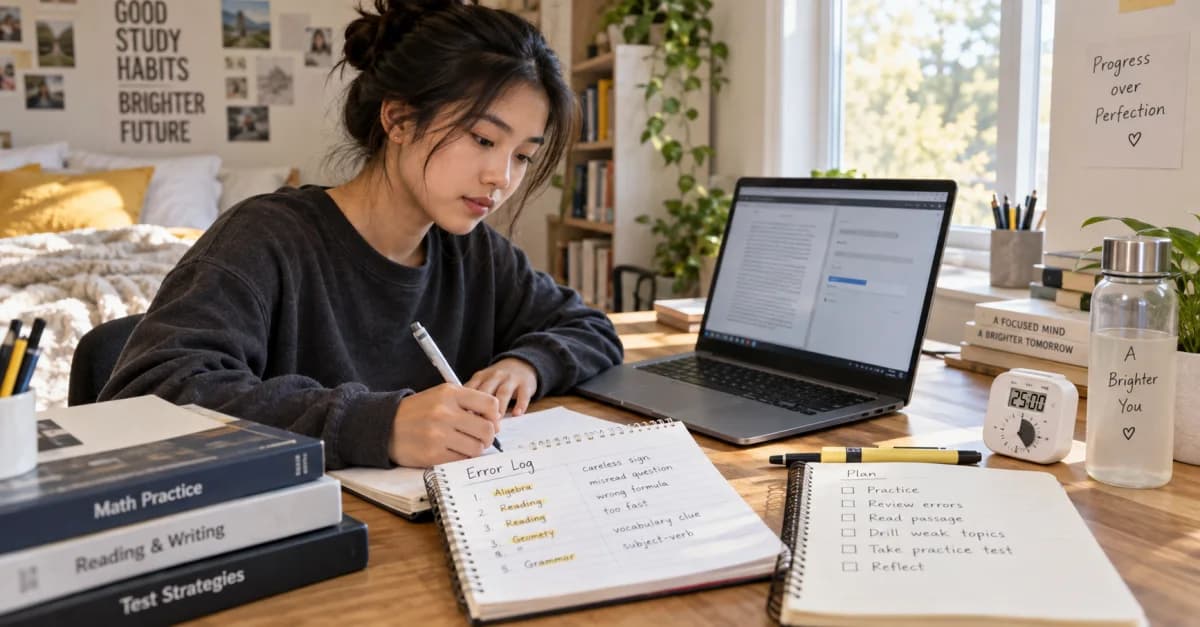
Five AI study apps for SAT prep, scored on the same five criteria: price for a year, your own material, SAT context, practice types and free tier.

Seven AI study tools for AP exam prep, scored on the same five criteria: price for a year, your own material, AP context, practice types and free tier.
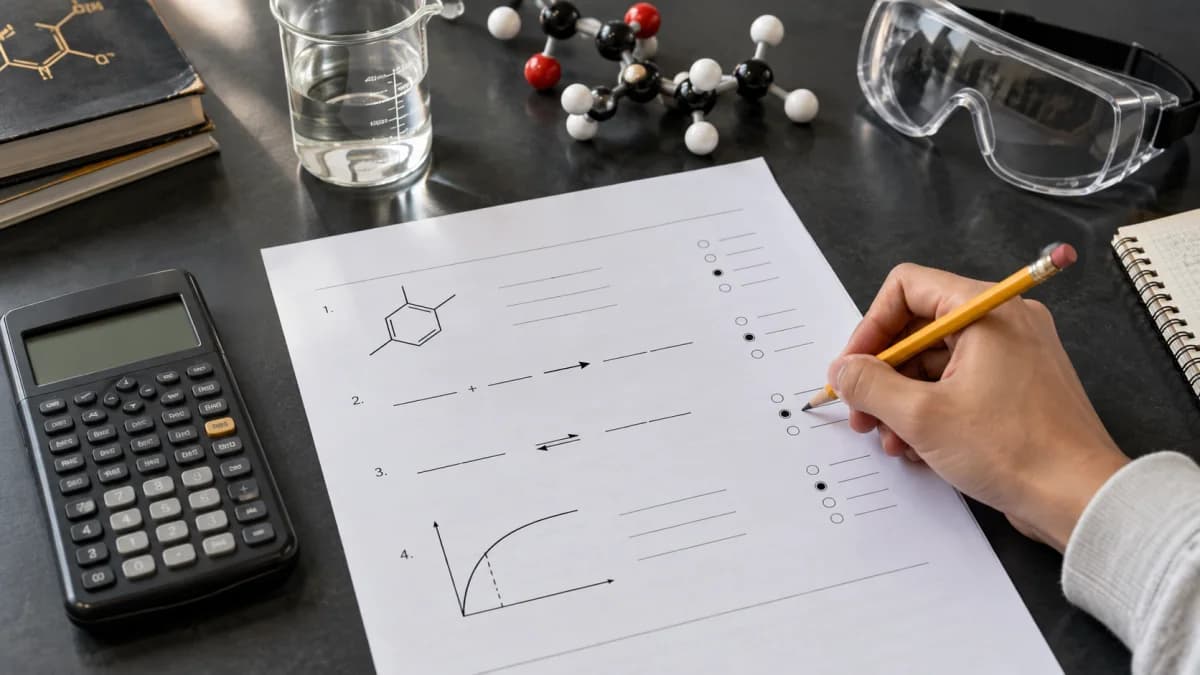
Practice 20 original AP Chemistry multiple-choice questions with worked answers, distractor analysis, unit coverage, timing guidance, and study tips.
Seven flashcard apps for students scored on yearly price, your own material, exam-board context, practice types and free tier. Prices checked 15 October 2026.
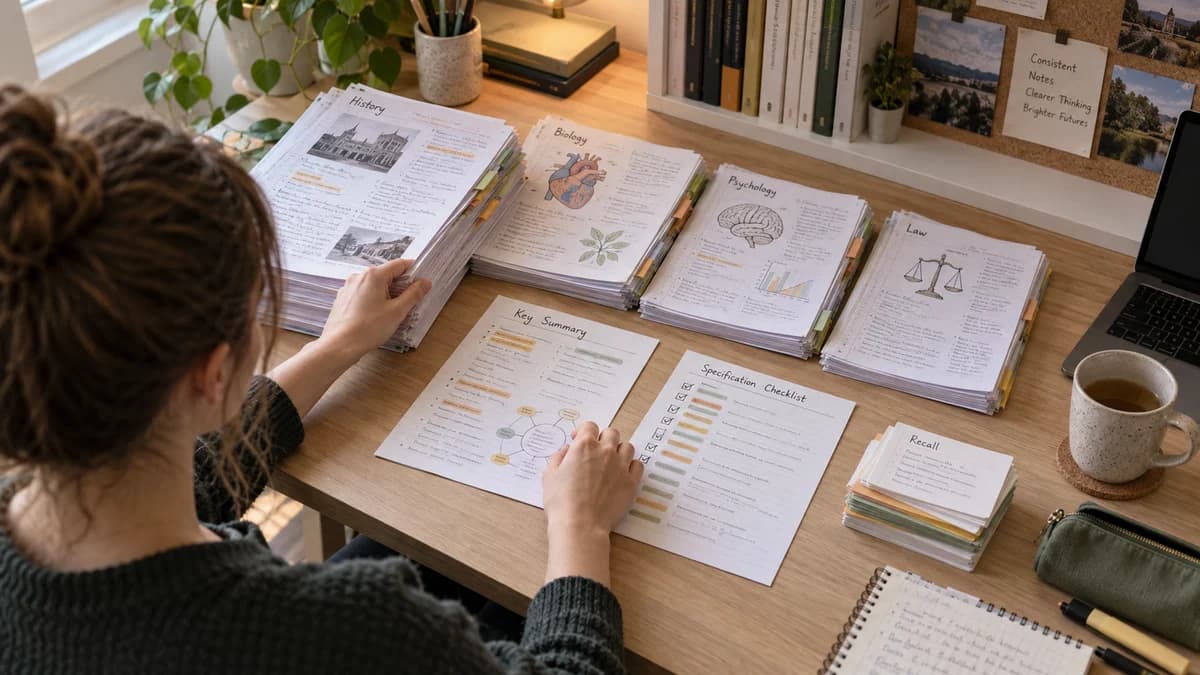
A practical system for making concise A-Level revision notes for biology, history, psychology, law, and other content-heavy subjects.
Anki has no built-in AI card generator. Make Anki flashcards from your notes or PDF with AI, check them, and export them to Anki on Pro.
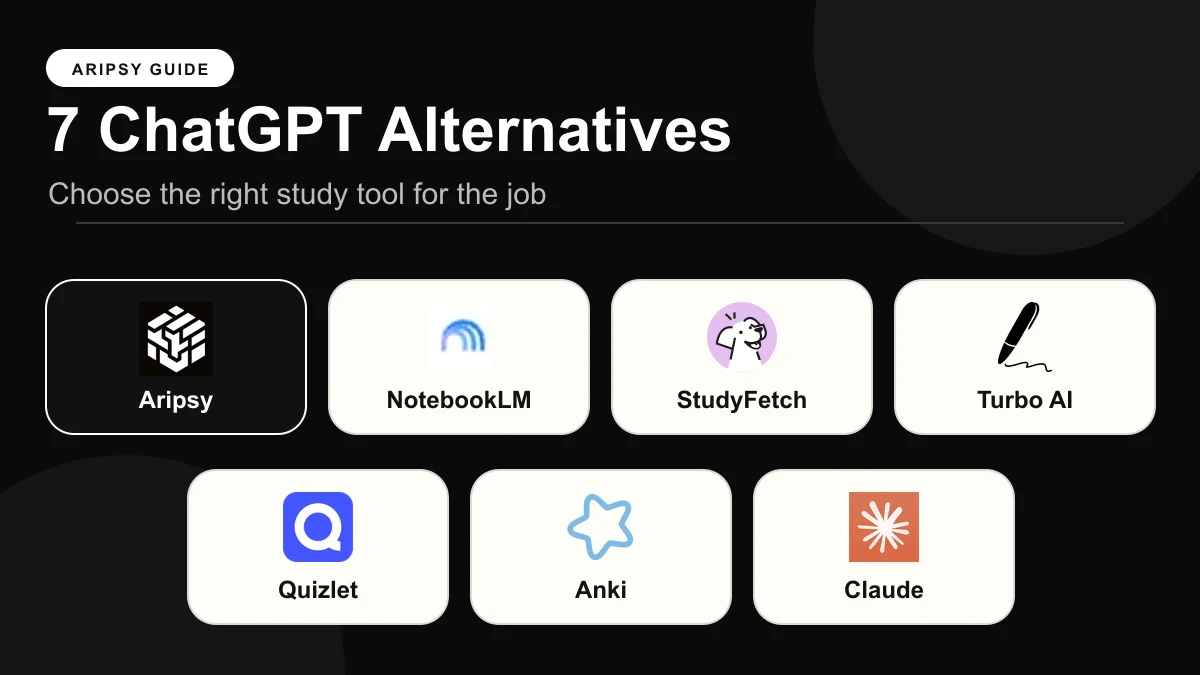
Where ChatGPT falls short for revision (no exam board, no schedule), seven tools that do better, with prices, and when ChatGPT is still the right choice.

A step-by-step workflow for turning PowerPoint slides into accurate, focused flashcards without memorising broken bullet points or missing slide context.
Seven AI-powered study apps for students, scored on the same five criteria: yearly price, your own material, exam-board context, practice types and free tier.
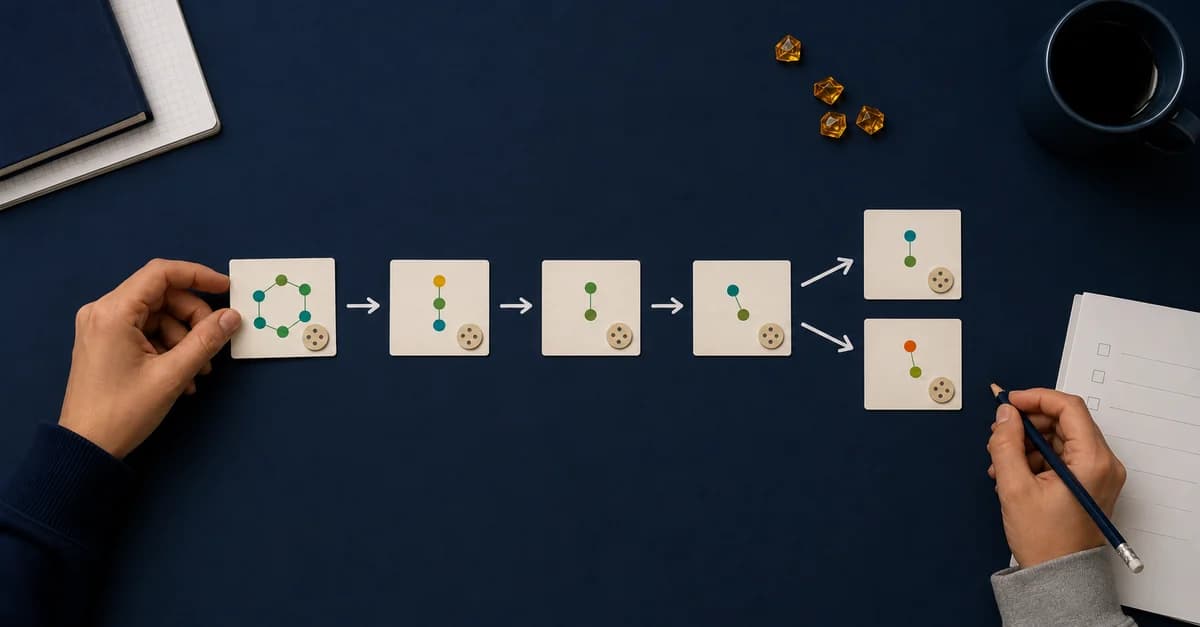
Test glycolysis with 20 practice questions and explained answers covering the 10 steps, enzymes, ATP accounting, NADH, regulation, and pyruvate.

Try seven Krebs cycle games for memorising intermediates, enzymes, carbon counts, and outputs, with accurate diagrams and an active-recall study plan.

Six AI study tools for GCSE revision, scored on the same five criteria: price for a year, your own material, exam-board context, practice types and free tier.

Seven Anki alternatives for students, scored on yearly price, your own material, exam-board context, practice types and free tier. Checked 15 October 2026.
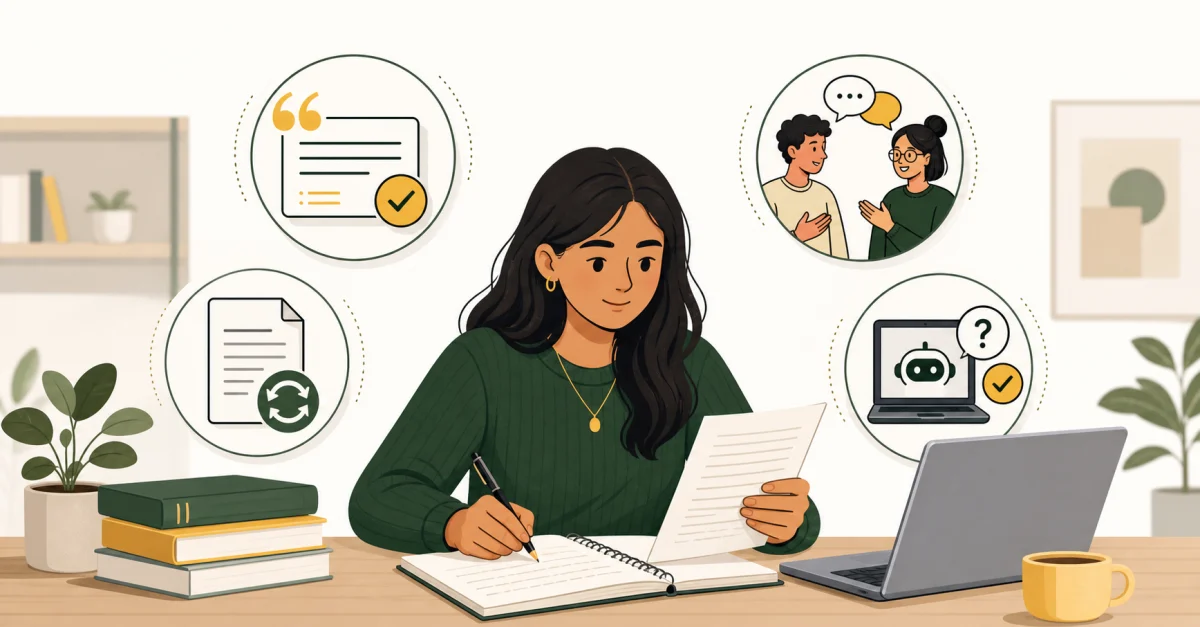
Learn how plagiarism, collusion, self-plagiarism, and unauthorized aid differ, plus a practical check for using sources, classmates, and AI honestly.
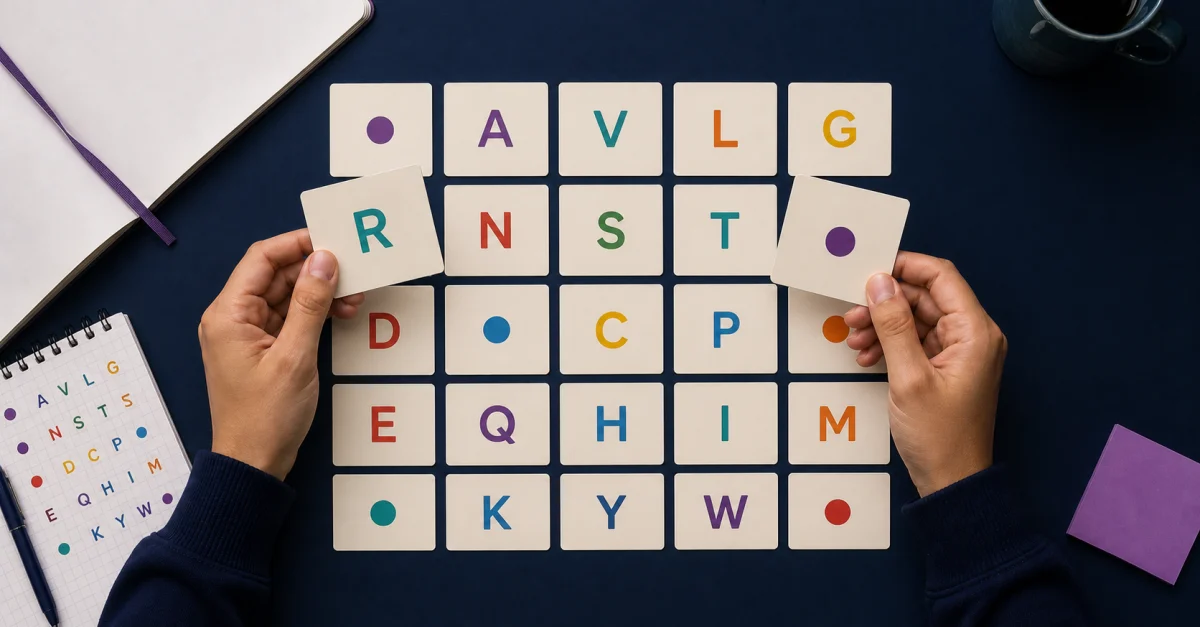
Learn all 20 amino acids with seven recall games for names, one- and three-letter codes, structures, side-chain properties, and charge.

Seven Quizlet alternatives scored on five criteria: yearly price, your own material, exam-board context, practice types and free tier. Checked 15 October 2026.
Six AI study notes generators scored on five criteria: yearly price, your own material, exam-board context, practice types and free tier. Checked Oct 2026.

Learn how to make free online flashcards from notes, edit weak cards, and study with active recall. Includes a practical card-quality checklist.
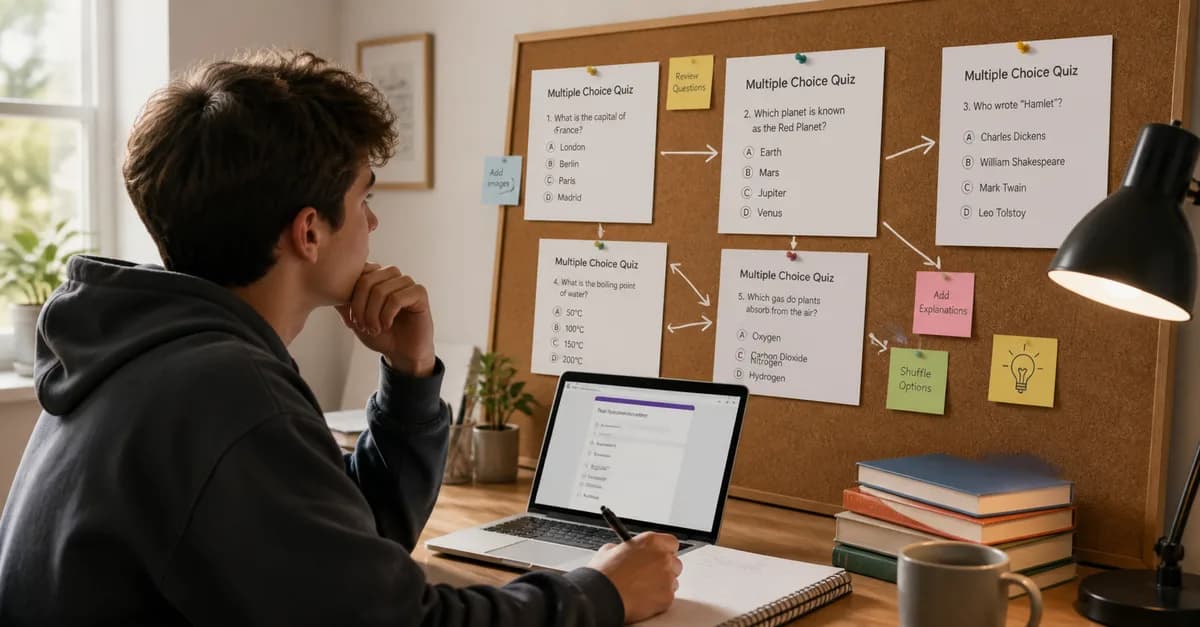
Compare six multiple choice quiz makers for AI question generation, self-marking tests, weak-topic reports, classroom delivery, and sharing.

Turn one textbook chapter into accurate active-recall flashcards with AI, card-quality rules, source checks, and optional Anki export.

A practical guide to ChatGPT Study Mode, file-based revision, useful prompts, active recall, and choosing a structured study workspace.

Compare active recall with rereading, see what retrieval-practice research shows, and use a four-step routine for exams with feedback and spaced review.

A revision strategy for healthcare students handling heavy lecture volumes, drug mechanisms, pathology pathways, and clinical scenario exams.
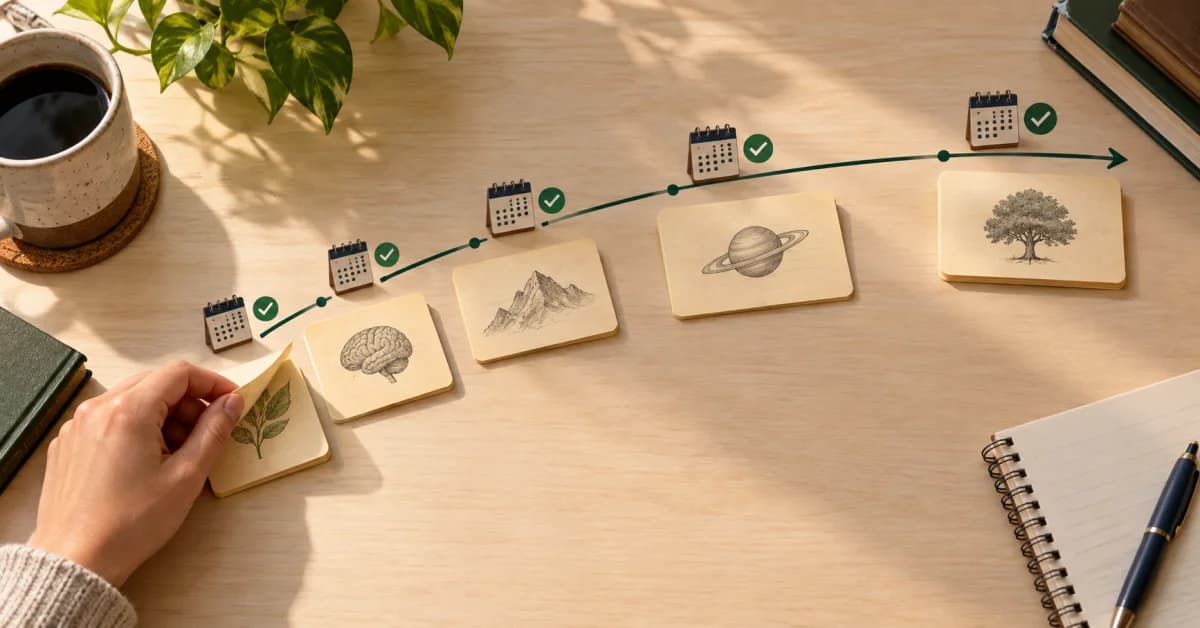
A spaced repetition guide covering intervals, flashcard scheduling, the SM-2 method, and use across GCSE, A-Level, and university revision.

Use past papers effectively with a mark-review-retry method: diagnose lost marks, repair weak areas, and retest after a delay.

A practical guide to choosing an AI note taker for students, including lecture notes, PDFs, flashcards, quizzes, privacy checks, and exam revision workflows.

How to turn lecture slides into structured AI study notes, flashcards, MCQs, and active recall practice without losing accuracy or context.
Five AI tools for summarising study notes, compared on price, your own material and exam-board fit, plus the checklist a summary must pass.
A practical guide to using a free AI notes generator for study notes, flashcards, and revision without relying on unsupported claims.

A practical AQA GCSE Biology Paper 1 revision workflow covering topic checklists, active recall, required practicals, flashcards, MCQs, and mistake logs.
Turn a PDF into flashcards free with a focused pasted-text workflow. Extract one section, generate editable cards, check accuracy, and review with active recall.
AI study note generators transform material; note-taking apps capture it. Compared on five criteria with Aripsy, NotebookLM and RemNote. Checked Oct 2026.
Five AI study note generators for college students scored on yearly price, your own material, curriculum context, practice types and free tier, with sources.
RemNote, Anki and Aripsy scored on yearly price, your own material, exam-board context, practice types and free tier, plus a workflow that pairs two of them.

Five StudyFetch alternatives for exam revision, scored on yearly price, your own material, exam-board context, practice types and free tier. Checked Oct 2026.
Five alternatives to Turbo AI (formerly Turbolearn) for GCSE revision, scored on yearly price, own material, exam-board context, practice types and free tier.

A revision method for AQA A-Level Biology: map the specification, make notes that force explanation, add recall after every page, practise data skills.
Learn how to turn notes into useful quizzes and MCQs, write plausible distractors, check AI-generated answers, and use mistakes to guide revision.

A practical guide to turning AQA GCSE Chemistry topics into revision notes, flashcards, calculations, and exam-style practice.

How to revise AQA GCSE Physics with specification checklists, formula practice, required practicals, flashcards, and exam questions.
Create effective fill-in-the-blank and cloze practice for definitions, formulas, processes and vocabulary without producing obvious or ambiguous questions.
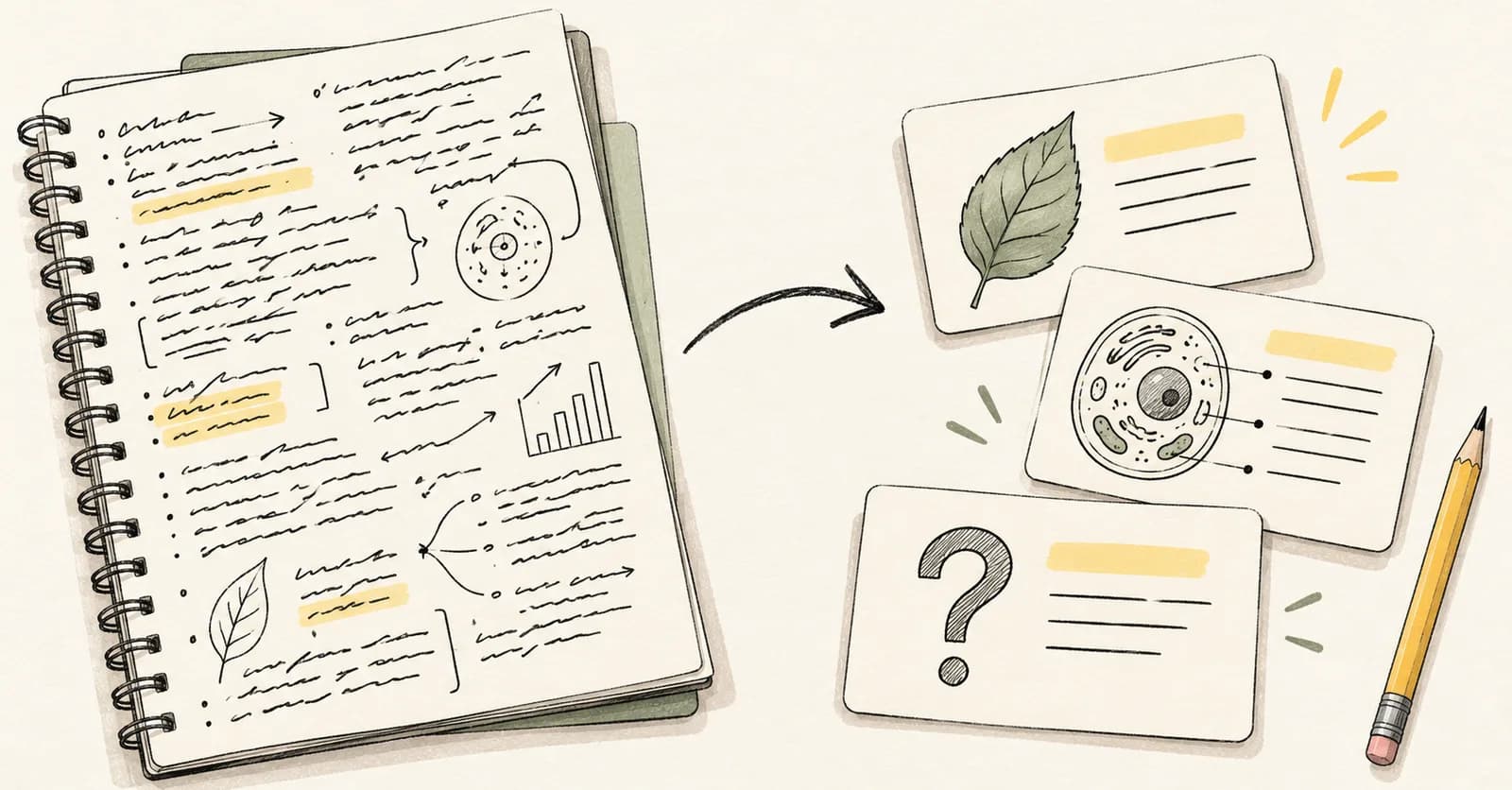
A practical way to turn messy lecture notes into flashcards that test memory, understanding, and exam application.

A student workflow for summarizing textbook chapters into useful revision notes, active recall prompts, and practice questions.
How to choose an AI study notes generator that creates useful notes, flashcards, and practice questions from your own study material.
Turn the AQA GCSE Biology specification into clear revision notes, active-recall prompts, flashcards, and targeted exam practice.
A student-friendly workflow for turning PDFs, lecture notes, and textbook chapters into useful flashcards for active recall and spaced repetition.
A practical AI study workflow: check source material, review generated notes, fix weak flashcards, and test yourself without AI. Includes a worked example.
A practical student guide to active recall, spaced practice, interleaving, and mistake review, with honest limits and no grade guarantees.

Compare Cambridge and Pearson Edexcel by qualification structure, assessment routes, exam sessions, subject specifications and revision planning.

Turn a chapter into one page of exam notes, then test yourself on it. A five-step method with a copyable template and a worked example.
Learn why flashcards work through retrieval and spaced practice, how to write effective cards, when to review them, and when flashcards are not enough.
A practical 4-week GCSE revision plan using active recall, past papers, flashcards, and weekly review, without grade guarantees.
Common Questions
There is no single best method for every subject. A strong GCSE routine usually combines active recall, spaced practice, past-paper questions, marking, and targeted review of mistakes. Start from the specification and adapt the mix to the knowledge and skills each subject tests.
Yes. AI tools can turn focused revision notes into draft question-and-answer flashcards. Check every card against the original notes or specification, split cards that test too many ideas, and then use them for active recall rather than passive reading.
Use the specification to map each topic, retrieve key ideas without looking, practise the question types your exam board uses, and keep a mistake log. Return to weak topics over several sessions instead of relying on one long rereading session.
AI study tools can help organise material and create practice, but they can make mistakes or miss context. Treat generated notes and questions as drafts, and verify important facts, equations, quotations, and mark-scheme wording against trusted course sources.
Yes. Active recall is the act of retrieving an answer from memory, while spaced repetition schedules that retrieval across time. They work well together when you also correct errors and practise applying knowledge in exam-style questions.